
The best way to sell your car quickly is to choose a buyer who can complete the purchase within your deadline, then remove the obstacles that commonly delay a sale. For many UK owners, that means comparing established dealers and car-buying services rather than relying solely on a private advert. But speed should not mean accepting an unexplained discount or skipping payment checks. This guide explains how to move efficiently while protecting your money and meeting your responsibilities.
Define your deadline before choosing a selling route
Start by deciding when you actually need the money and when the vehicle must leave. These are not always the same date. You might need funds for a replacement car but still need transport for work, or need the driveway clear while being able to wait a little longer for payment.
Ask every potential business buyer about inspection availability, collection and payment timing. An attractive online valuation is not a completed sale. A buyer offering less but confirming a workable appointment may be more useful than one quoting more while leaving collection unresolved. Get the important arrangements in writing before committing.
Set a minimum acceptable net return alongside your deadline. Deduct selling fees, travel or collection costs and any finance settlement from the offer. This gives you a clear basis for making a decision under time pressure. Do not confuse a fast initial response with certainty that the transaction will finish on time.
For a short deadline, compare ready-to-buy businesses
A direct purchase by an established dealer or car-buying business can reduce the number of steps. You usually avoid writing an advert, managing multiple private viewings and waiting for someone to arrange their own funds. This makes a trade sale worth considering when convenience and a defined timetable are priorities.
Contact several buyers close together and provide the same mileage, condition and history. Ask whether they buy directly or introduce you to another dealer. A marketplace that invites bids can create competition, but bidding, inspection and collection may still take time. Understand the process rather than judging it by a headline promise.
Confirm whether the figure is provisional, what might change it after inspection, and whether fees apply. Also check the business identity, physical address and current terms. No service is automatically the fastest for every car: local availability, vehicle condition and outstanding finance can change which route is practical.
Use part-exchange when the replacement is already arranged
If you are buying another car, part-exchange can combine two transactions into one handover. The dealer takes your existing vehicle when you collect the replacement, reducing the risk of being without transport. It can be particularly convenient when the new car is available and the dealer is ready to agree the details.
Check the entire cost to change, not just the allowance for your old car. Ask for the replacement price, part-exchange value, fees and finance costs separately. A higher trade-in figure does not necessarily make the overall deal better if it comes with a smaller discount or more expensive borrowing.
Confirm delivery or collection dates before treating the arrangement as your quick-sale solution. If the replacement is delayed, so might be the handover and any proceeds. Where speed matters more than buying another vehicle immediately, a separate direct sale may be easier to schedule.
Can a private sale still be quick?
Yes, a competitively priced car with clear photographs and a credible history can attract a serious private buyer promptly. However, there is no reliable guarantee. Demand depends on the model, location, condition and price, and enquiries do not necessarily turn into viewings or offers. Keep an alternative route available if your deadline is firm.
Use an appropriate advertising platform and make yourself available for sensible viewing times. Reply promptly to genuine questions and provide accurate information upfront. A buyer who understands the mileage, service history and known defects is less likely to abandon the process after travelling to see the car.
Avoid describing yourself as desperate or advertising an artificial countdown. That can invite speculative low offers rather than serious interest. State practical viewing availability instead. Set a review point: if worthwhile enquiries have not arrived, reassess the price, photographs or selling route rather than repeatedly reposting the same unconvincing advert.
Price realistically without giving the car away
Compare vehicles with the same engine, trim, age and broadly similar mileage. A low-mileage example with a full service history is not a useful direct comparison for a car needing repairs. RAC guidance recommends like-for-like comparisons and notes that dealer asking prices will normally differ from private-sale prices.
Treat asking prices as evidence of what sellers hope to receive, not proof of completed-sale values. Combine comparable adverts with several actual purchase offers. If the difference between the two is large, consider preparation costs, dealer margin and the protections included in a retail sale before deciding what your car should achieve.
For a quick private sale, a sensible price with modest negotiation room can work better than a high figure that you plan to reduce later. For a trade sale, negotiate from comparable offers and accurate vehicle details. Do not choose an arbitrary discount simply because you want a speedy result.
Prepare the car efficiently, not expensively
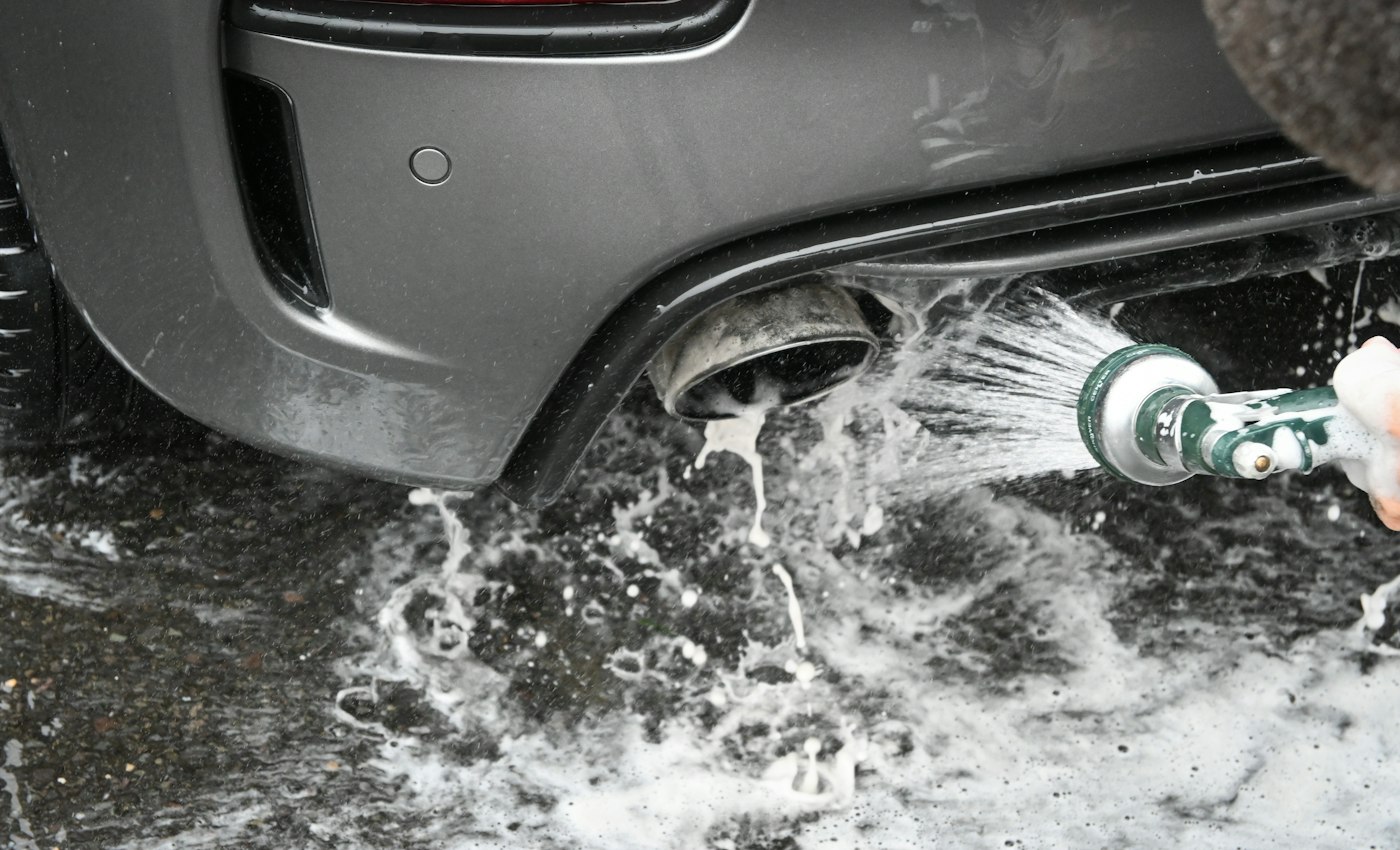
A clean car is easier to assess and photograph. Wash the exterior, vacuum the cabin, empty the boot and remove personal belongings. Clean the windows and wipe the main controls. RAC’s selling guidance highlights presentation, but you do not need an elaborate detailing package to show a vehicle honestly.
Check basic functions and make a list of known problems. Decide whether an inexpensive fix is worthwhile, but compare the cost and delay with the likely benefit. Major bodywork or mechanical repairs may not repay their expense. If work is needed, a buyer that accepts the car in its current condition may suit your deadline.
Do not hide warning lights, temporarily disguise damage or omit material faults to keep the process moving. Accurate disclosure can prevent wasted inspections and revised offers. Our car selling checklist helps you organise preparation and the documents buyers will expect without losing time on unnecessary work.
Gather paperwork before the first appointment
Locate your V5C log book, service records, MOT information, relevant invoices and spare keys. Check that the registered keeper details are correct. The V5C records the registered keeper; it is not proof of legal ownership. Keep purchase documentation and any finance settlement evidence available where appropriate.
GOV.UK advises showing genuine buyers the log book while keeping its document reference number, photographs and copies private. Do not upload the full document to your advert or send it casually to strangers. Sharing it can create fraud and cloning risks, not simply make the buyer’s checks faster.
If you want to keep a personalised registration, arrange retention before selling. If the log book is missing, investigate the correct process immediately rather than discovering the problem at collection. Buyers may require a replacement before proceeding, and you cannot use DVLA’s normal online sale service without the log book.
Resolve finance early so the sale can proceed
Outstanding PCP or hire-purchase finance can prevent a straightforward sale because the finance provider generally owns the vehicle until settlement. MoneyHelper explains that you cannot sell a PCP car before paying the settlement figure. Request a current quotation from the lender at the start, including its validity period and payment instructions.
Some professional buyers coordinate settlement with the lender. Verify that arrangement directly with the finance company and obtain written confirmation of the figures and process. If the purchase offer is below the settlement amount, you will need to cover the shortfall. Do not assume it disappears because a buyer is collecting the car.
A personal loan normally remains payable after selling your car, while a leased vehicle is not yours to sell. Check the type of agreement you actually have. Returning a financed car through voluntary termination is a separate process, not an ordinary sale that automatically produces money for your next vehicle.
Make adverts and appointments easy to act on
If selling privately, use clear daylight photographs of the exterior, cabin, wheels and boot. Show the whole vehicle and include significant damage. Avoid heavy filters, distracting backgrounds and missing angles that leave buyers guessing. A straightforward set of images can reduce repetitive questions and help genuine buyers decide whether to arrange a viewing.
Write a concise, accurate description covering specification, mileage, service history, MOT status, useful equipment and known faults. Check details that an advertising platform fills in automatically from the registration. An incorrect engine, trim or gearbox can attract the wrong enquiries and cause disappointment when someone arrives.
Group appointments into times you can reliably attend, while keeping enough time for an inspection. Confirm the buyer’s name and agreed time, and have the documents ready. Do not accept several conflicting deposits or promise the same car to multiple buyers. Clear arrangements save time without creating disputes.
Keep payment and test-drive checks non-negotiable
Before a private test drive, check the prospective driver’s licence and appropriate insurance. A policy that allows driving other cars may only provide third-party cover, leaving damage to your vehicle uncovered. Accompany the driver and keep control of the keys. If insurance cannot be verified, do not allow the test drive.
Agree the price, payment method and handover arrangements clearly. Check the money in your own account using your banking app or directly with your bank. A screenshot, email or message from the buyer is not proof that funds have arrived. If anything is pending or suspicious, pause and ask your bank for guidance.
Do not release the vehicle, keys or collection authorisation simply to meet a deadline. With a business buyer, confirm the collector’s identity and authority. Keep a signed receipt with the parties’ details, registration, mileage, price and date and time of sale. Speed is useful only if the transaction is genuine and properly documented.
Complete the DVLA handover and protect your personal data
For a private sale where the vehicle stays in the UK, give the buyer the green new-keeper slip and notify DVLA with the required details. Use the official GOV.UK vehicle-sale notification service for a clear, direct route to completing the registered-keeper change, where you are eligible to use it.
DVLA says notification cancels your vehicle tax and results in a refund for any full remaining months. The existing tax does not transfer to the buyer, who must arrange their own tax before driving. Keep the confirmation and contact your insurer to end or change your cover at the appropriate point.
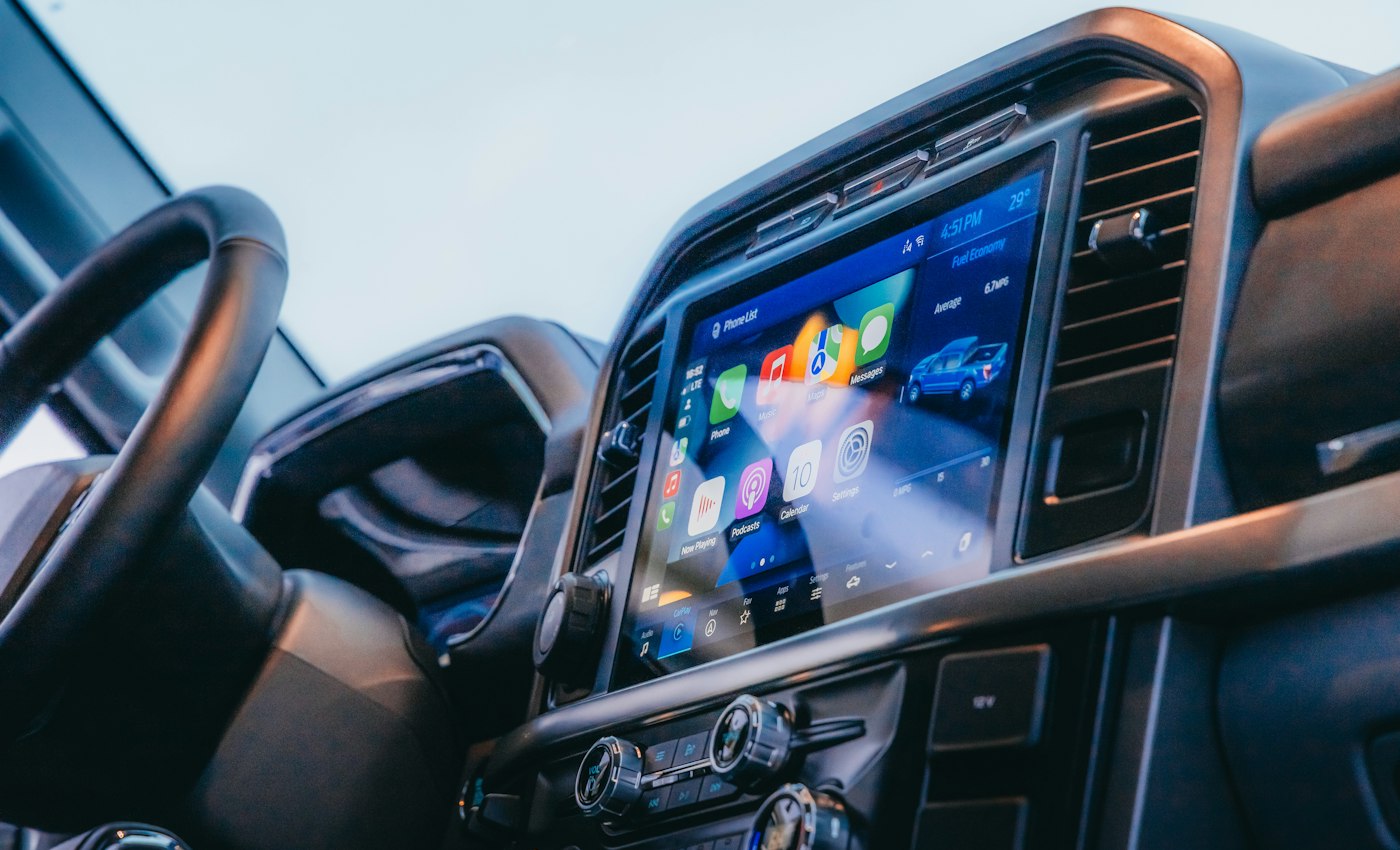
Before the car leaves, remove paired phones, stored addresses, personal recordings and connected-car account access. Check the glovebox, boot and seat pockets. Keep receipts and messages relating to the sale, but do not leave personal paperwork in the vehicle. A planned final check prevents avoidable problems after a quick collection.
A practical quick-sale plan
First, confirm your deadline, ownership position and paperwork. Next, clean and photograph the car, record its condition and collect several comparable offers. Choose the buyer whose final terms, appointment and payment schedule meet your needs. Only then commit to a handover, keeping the safety and DVLA checks unchanged.
If you have more flexibility, test a realistic private advert while keeping trade quotes as a comparison. If your deadline is immediate, prioritise a confirmed, achievable purchase rather than chasing an unverified higher valuation. This is a suggested workflow, not a promise of a same-day sale or a particular price.
The best quick sale is organised, fairly priced and secure—not simply the first offer you receive. If you would like to discuss your vehicle with our team, use the sell your car enquiry form. Auto Deals can review your details; this guide does not guarantee a buying offer or collection time.
Research reviewed on 12 October 2026: GOV.UK vehicle-sale and DVLA guidance, RAC private-selling guidance, and MoneyHelper car-finance guidance. Photos: Unsplash. This is general information; check current buyer terms and your finance agreement.
For more motoring advice and car discovery, return to auto deals.